

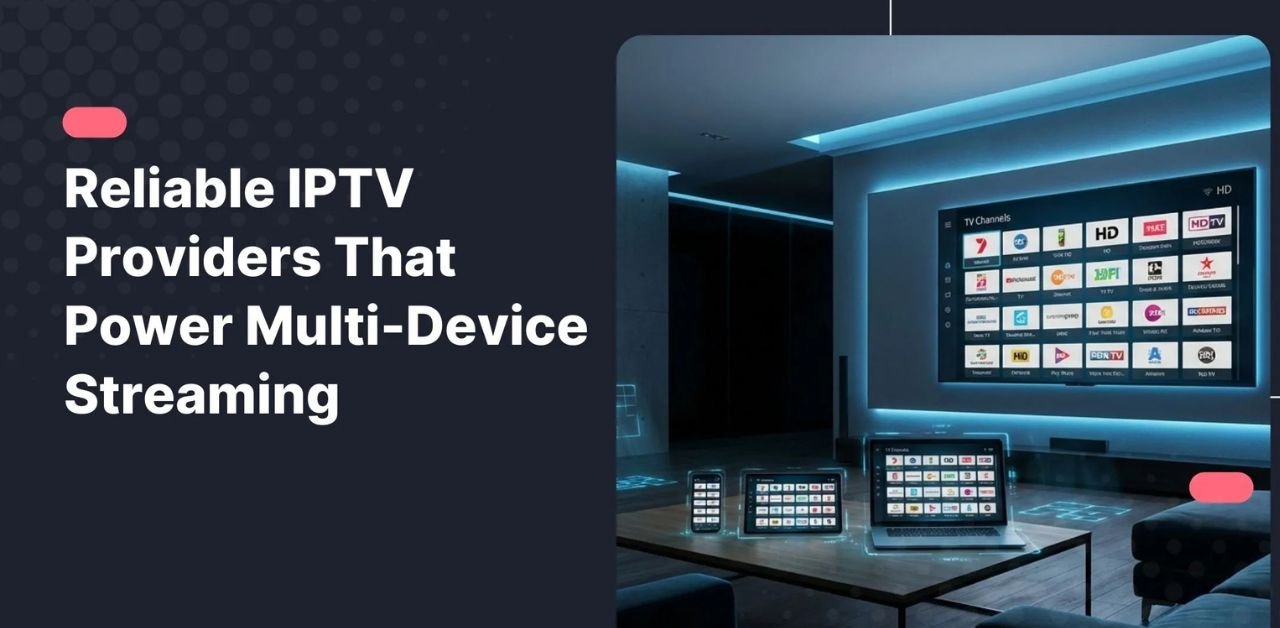




Setting up IPTV UK on multiple devices allows you to enjoy your favorite live TV channels, movies, and on-demand content wherever you are. Whether you want to watch on a Smart TV in the living room, a smartphone while traveling, or a laptop at work, an IPTV multi-device setup offers flexibility and convenience. However, successful configuration depends on your IPTV provider’s device policy, internet connection, and compatible applications. In this guide, you’ll learn how to configure IPTV across multiple devices, avoid common issues, and optimize streaming performance.
What Is an IPTV Multi-Device Setup?
An IPTV multi-device setup is the configuration of a single IPTV service to be accessed on multiple compatible devices. Depending on your subscription, you may be able to:
- Install IPTV on several devices.
- Watch on one device at a time.
- Stream simultaneously on multiple devices.
- Switch between devices whenever needed.
Before beginning, always verify your IPTV subscription terms regarding simultaneous connections.
Benefits of Using IPTV on Multiple Devices
Using IPTV across several devices offers numerous advantages.
Watch Anywhere
Access your IPTV service from different rooms or while traveling.
Personalized Viewing
Family members can use separate devices for different content, provided simultaneous streaming is supported.
Greater Flexibility
Move seamlessly between your television, tablet, smartphone, or computer without changing your subscription.
Easy Content Management
Many IPTV applications allow you to sync playlists and favorites across devices.
Devices That Support IPTV
Most modern devices can run IPTV applications.
Smart TVs
Popular Smart TV platforms include:
- Android TV
- Google TV
- Samsung Smart TV
- LG Smart TV
Streaming Devices
Many users install IPTV on:
- Amazon Fire TV Stick
- Chromecast with Google TV
- Android TV Box
- Apple TV
Mobile Devices
Both Android and iPhone users can access IPTV through compatible applications.
Computers
IPTV works on:
- Windows PCs
- macOS computers
- Linux systems (depending on software support)
Tablets
Android tablets and iPads provide portable viewing with larger screens.
Requirements Before Setting Up IPTV
Before configuring multiple devices, ensure you have the following:
- Active IPTV subscription
- Stable internet connection
- IPTV player application
- Playlist URL or login credentials provided by your IPTV service
- Supported streaming device
Having everything ready makes installation much easier.
Step-by-Step IPTV Multi Device Setup
Step 1: Confirm Your Subscription
First, check whether your IPTV provider allows multiple device installations or simultaneous streams.
Some providers allow:
- Unlimited installations with one active stream.
- Two or more simultaneous streams.
- Additional connections for an extra fee.
Understanding these limits helps prevent login conflicts.
Step 2: Install an IPTV Player
Download a compatible IPTV player for each device.
Examples include:
- IPTV Smarters-compatible players
- TiviMate-compatible players
- OTT-compatible applications
- VLC Media Player (where supported)
Always install applications from trusted sources.
Step 3: Enter Your IPTV Credentials
Depending on your provider, you’ll enter one of the following:
- M3U Playlist URL
- Xtream Codes Login
- Portal URL
- Username and password
Once entered, the application will load channels and content.
Step 4: Configure Additional Devices
Repeat the installation process on each supported device.
Typical setup involves:
- Install the IPTV application.
- Enter login details.
- Load playlists.
- Test playback.
- Save settings.
Most setups take only a few minutes.
Step 5: Organize Favorites
Many IPTV players let you:
- Create favorite channel lists.
- Hide unwanted categories.
- Rearrange channels.
- Save viewing history.
This improves navigation across all your devices.
Best Internet Speed for IPTV
Streaming quality depends heavily on internet performance.
Recommended minimum speeds:
Streaming Quality Recommended Speed
SD 10 Mbps
HD 20 Mbps
Full HD 30 Mbps
4K UHD 50 Mbps or higher
Higher speeds are recommended when multiple devices stream simultaneously.
Wired vs Wireless Connection
Ethernet
Advantages:
- More stable connection
- Lower latency
- Better for 4K streaming
- Fewer interruptions
Wi-Fi
Advantages:
- Easy installation
- No cables
- Flexible placement
For the best IPTV experience, Ethernet is generally preferred whenever available.
Common IPTV Multi Device Problems
Playback Buffering
Possible causes:
- Slow internet
- Network congestion
- Weak Wi-Fi signal
Solutions:
- Restart your router.
- Use Ethernet if possible.
- Reduce other network activity.
Login Errors
If your IPTV account signs out automatically, it may be due to:
- Exceeding connection limits
- Incorrect credentials
- Expired subscription
Verify your account information before reinstalling.
Playlist Not Loading
Common reasons include:
- Incorrect playlist URL
- Server maintenance
- Internet interruption
Refresh the playlist after checking your connection.
Application Crashes
Possible fixes:
- Update the application.
- Restart the device.
- Clear cache.
- Reinstall the app.
Tips to Improve IPTV Performance
For smoother streaming:
- Restart devices regularly.
- Update IPTV applications.
- Keep device software current.
- Use high-speed internet.
- Prefer wired connections.
- Close unnecessary background apps.
- Restart your router occasionally.
These simple practices can significantly improve reliability.
Security Tips for IPTV Users
Protect your account by following good security practices.
Use Strong Passwords
Avoid using simple or repeated passwords.
Secure Your Home Network
Enable WPA2 or WPA3 encryption on your Wi-Fi network.
Install Apps from Trusted Sources
Only download IPTV players from official app stores or trusted developers to reduce security risks.
Keep Software Updated
Updates often include important security improvements and bug fixes.
Can You Watch IPTV on Multiple Devices at the Same Time?
The answer depends entirely on your IPTV subscription.
Some subscriptions allow:
- One active stream only.
- Two simultaneous streams.
- Three or more concurrent connections.
If multiple simultaneous streams are important, review your provider’s subscription options before purchasing.
IPTV Multi Device Setup Best Practices
For the best overall experience:
- Use modern streaming devices.
- Keep internet speeds consistent.
- Maintain updated applications.
- Organize favorite channels.
- Check subscription limits.
- Monitor network usage.
- Restart equipment periodically.
These practices help reduce interruptions and improve performance.
Frequently Asked Questions
Can I install IPTV on multiple devices?
Yes. Many IPTV services allow installation on multiple compatible devices, though your subscription may limit simultaneous streaming.
Do I need separate subscriptions for every device?
Not necessarily. Some providers support multiple devices under a single account, while others require additional connections.
Can I use IPTV on Android and iPhone?
Yes. IPTV is available on both Android and iOS through compatible IPTV player applications.
Why does IPTV stop working on another device?
Your subscription may only permit one active stream at a time. Starting playback on another device can disconnect the first session.
Is Ethernet better than Wi-Fi for IPTV?
Generally, yes. Ethernet offers a more stable connection with lower latency, which can improve streaming quality.
What internet speed is recommended for IPTV?
A stable connection of at least 20 Mbps is suitable for HD streaming, while 50 Mbps or higher is recommended for 4K and multiple simultaneous streams.
Can I use IPTV while traveling?
In many cases, yes, provided you have a reliable internet connection and your provider’s terms allow access from your location.
How often should I update my IPTV application?
Regularly. Keeping the application updated helps improve compatibility, performance, and security.
Conclusion
An IPTV multi-device setup provides a flexible way to enjoy television and on-demand content across Smart TVs, smartphones, tablets, computers, and streaming devices. By ensuring your subscription supports your intended usage, maintaining a reliable internet connection, and keeping your applications updated, you can create a smooth viewing experience across all compatible devices. Before adding more devices or attempting simultaneous streaming, always review your IPTV provider’s connection policies to avoid interruptions. With the right setup and maintenance, IPTV can offer convenient access to entertainment wherever you choose to watch.
Pingback Transfer IPTV Subscription to New Smart TV UK Guide
Pingback IPTV Remote Apps for UK Viewers: Best Mobile Controls
Pingback UK IPTV Internet Speed: What Bandwidth Do You Need?